How to Optimize It for Solid-State Drive Performance
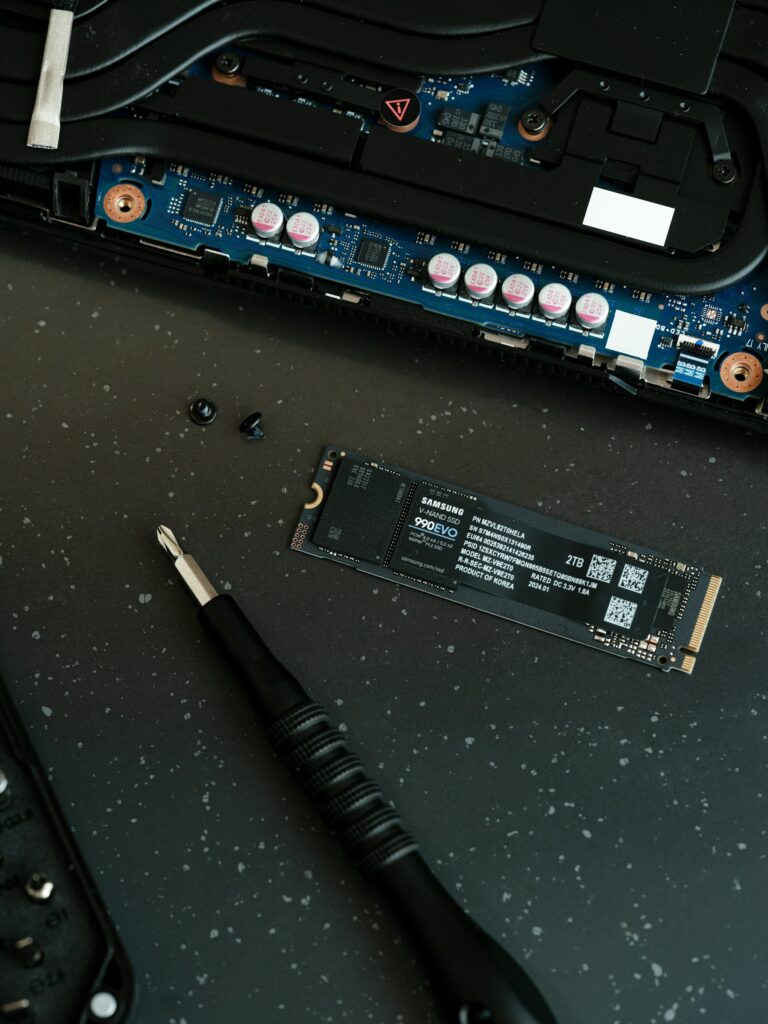
How to Optimize It for Solid-State Drive Performance
When compared to conventional hard drives, solid-state drives (SSDs) provide a substantial improvement in terms of system performance, boot times, and general responsiveness. On the other hand, Windows may need to be optimized in order to completely take advantage of the speed and lifespan of an SSD. Having your solid-state drive (SSD) configured correctly can reduce excessive wear, enhance read/write speeds, and guarantee that it continues to function effectively for many years.
An Explanation of Solid-State Drives and Their Benefits
Flash memory, as opposed to spinning disks, is used by solid-state drives (SSDs), which results in greater dependability, less latency, and quicker data access. In contrast to hard disk drives (HDDs), solid-state drives (SSDs) do not have any moving parts, which makes them less susceptible to mechanical failure. On the other hand, they only have a limited number of write cycles, which means that the settings in Windows need to be tuned in order to cut down on needless writes and increase the lifetime of the drive.
Making sure that TRIM is turned on
TRIM is a command that assists solid-state drives (SSDs) in managing unneeded data blocks, which speeds up and improves efficiency. The TRIM feature is often enabled automatically by Windows; however, you may verify this by opening the Command Prompt and typing:
- behavior query for the fsutil Put an end to DeleteNotify
- When the answer is 0, it implies that TRIM is active. If you want to activate it, you may do so by using
- behavior specified for the fsutil DeleteNotify 0 should be disabled.
- A decrease in speed over time may be avoided using TRIM since it enables the solid-state drive (SSD) to effectively clean and reuse space.
Disable the defragmentation of solid-state drives (SSDs)
Defragmentation is beneficial to traditional hard disk drives (HDDs), but it might create extra wear and tear on solid-state drives (SSDs). Windows 10 and Windows 11 are able to automatically recognize solid-state drives (SSDs) and transition to a “Optimize” procedure that instead of defragmenting the drive, sends TRIM instructions. To verify, launch Defragment and Optimize Drives, choose your solid-state drive (SSD), and check that the Media type is shown as Solid State Drive. Additionally, make sure that the optimization is set to Scheduled optimization.
Setting up the Pagefile and Virtual Memory Configuration
Through the usage of the pagefile, Windows is able to use disk space as virtual memory. Even while solid-state drives (SSDs) are able to process pagefiles more quickly than hard disk drives (HDDs), excessive writing might reduce their longevity. In order to limit the number of writes to the solid-state drive (SSD), you may either keep Windows handling the pagefile automatically or, if you prefer manual settings, you can store the pagefile on a secondary disk (if one is available).
When Hibernation is not required, turning it off
Because hibernation copies the contents of RAM to disk, it may use up gigabytes of space on a solid-state drive (SSD). Hibernation may be disabled to save up storage space and limit the number of unwanted writes. Using the Administrator account, open the Command Prompt and type:
powercfg -h off is the command.
This extends the life of the solid-state drive (SSD) by turning off the hibernation file (hiberfil.sys).
Transferring Temporary Files and Caches
Both Windows and apps result in the creation of temporary files that are subject to frequent writing. Temp folders may be moved to a secondary hard disk drive (HDD) if one is available. Regularly deleting unwanted files may be accomplished by going to Settings > System > Storage > Temporary files. This will reduce the amount of data that has to be written to the solid-state drive (SSD) when it comes to browsers.
Making Write Caching Available
By temporarily storing write operations in RAM before writing them to the disk, write caching helps to enhance the speed of solid-state drives (SSDs). Make sure that the Enable write caching on the device checkbox is selected by opening Device Manager, selecting Disk Drives, right-clicking your solid-state drive (SSD), and selecting Properties > Policies. The performance is improved, but there is a possibility that the danger of data loss during a power outage is somewhat increased.
Changing the Search and Indexing Settings in Windows
Although it makes file searches more efficient, Windows Search indexing results in more frequent writes. You may restrict the index scope to just include the most important files on solid-state drives (SSDs) that have a limited amount of storage space: The Advanced Search Indexer Settings may be found by going to Settings > Search > Searching Windows. Restricting indexing prevents wear on solid-state drives (SSDs) while preserving the capability of quick search.
Use of the AHCI Mode in the BIOS
In the BIOS or UEFI, check to see that your solid-state drive (SSD) is operating in AHCI mode rather than IDE mode. Native Command Queuing, which improves the read/write speed of solid-state drives (SSDs), is one of the advanced capabilities that AHCI offers. It is important to exercise care when making changes to this option since switching modes on an existing Windows installation can need updating the drivers in order to avoid boot problems.
Updates to the Firmware and Drivers Being Maintained
Firmware updates are released by manufacturers of solid-state drives (SSDs) in order to enhance performance, stability, and compatibility. Drivers should be updated on a regular basis by checking the manufacturer’s website and updating them via Device Manager > Disk Drives > Update driver. Your solid-state drive (SSD) will function at its highest possible efficiency if its firmware is kept up to date.
Tracking the Condition of SSDs
Utilize applications like as CrystalDiskInfo, Samsung Magician, or the software provided by the manufacturer in order to monitor the temperature, write cycles, and overall health of solid-state drives (SSDs). Through consistent monitoring, possible problems may be identified at an earlier stage, which in turn assures optimum performance and longevity.
Windows performance optimization for solid-state drives (SSD) requires striking a balance between speed, endurance, and system economy. The activation of TRIM, the avoidance of excessive defragmentation, the administration of temporary files, and the modification of pagefiles are all essential procedures. You may enjoy a Windows experience that is quicker, more reliable, and lasts longer if you put these methods into action and ensure that the firmware on your solid-state drive (SSD) is always up to date.